

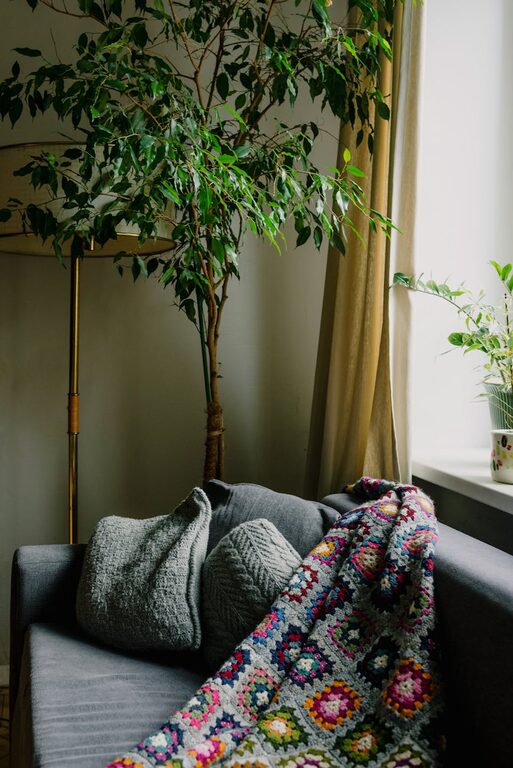
Creating a relaxing home environment doesn’t require a complete renovation or expensive purchases. Sometimes, small, thoughtful decor changes can turn your space into a peaceful retreat where you feel calm and refreshed. This guide will share practical tips for enhancing your home’s ambiance with simple yet effective decor updates.
Why a Relaxing Home Matters
Our homes are where we unwind after busy days, so the atmosphere plays a big role in our overall well-being. A space designed to promote relaxation can reduce stress, improve focus, and help you enjoy more restful sleep. Thoughtful decor contributes to this calming environment by influencing mood and comfort.
1. Choose Soothing Colors
The colors you use at home heavily influence your mood. Soft, muted tones such as light blues, gentle greens, warm neutrals, and pastel shades tend to evoke calmness.
– Tip: Paint an accent wall or swap out pillow covers in relaxing hues.
– Avoid overly bright or harsh colors in spaces dedicated to rest.
2. Incorporate Natural Elements
Bringing the outdoors inside fosters peace and connection with nature.
– Add houseplants like snake plants, peace lilies, or succulents to purify the air and add greenery.
– Use natural materials such as wooden furniture, wicker baskets, or linen fabrics to create texture and warmth.
– Place bowls of smooth stones or shells for subtle visual interest.
3. Optimize Lighting for Comfort
Lighting dramatically affects the feel of a room. Bright, cool lighting can energize but may overwhelm when you want to relax.
– Use soft, warm light bulbs or lamps with dimmers to adjust brightness easily.
– Consider string lights or candles to add gentle glow for evenings.
– Maximize natural light during the day by keeping windows unobstructed.
4. Declutter to Simplify the Space
Clutter can cause visual stress and reduce your ability to unwind.
– Remove unnecessary items and keep surfaces clean.
– Use decorative storage boxes or baskets to organize small belongings.
– Adopt a “less is more” philosophy focused on functionality and beauty.
5. Add Cozy Textiles
Comfortable fabrics invite relaxation by creating a tactile sense of warmth.
– Layer throw blankets and soft pillows on sofas and chairs.
– Choose rugs with plush textures or natural fibers underfoot.
– Use curtains made from light, breathable material to soften window areas.
6. Select Meaningful Decor Pieces
Personal touches enhance your connection to your space without overwhelming it.
– Display photos, artwork, or items that bring you joy or calm.
– Use simple vases with fresh flowers or branches.
– Avoid overcrowding surfaces—select a few special pieces to highlight.
7. Create a Dedicated Relaxation Zone
Designate one area in your home specifically for calming activities like reading, meditation, or gentle stretching.
– Furnish it with an inviting chair or floor cushions.
– Keep this spot free from work materials or distractions.
– Incorporate a small shelf with books, a diffuser with essential oils, or a sound machine for soothing background noise.
8. Keep Scents Subtle and Pleasant
Scent influences mood and relaxation. Introducing gentle fragrances makes your home inviting.
– Use essential oil diffusers with scents like lavender, chamomile, or eucalyptus.
– Burn unscented or lightly scented candles.
– Avoid overpowering or artificial smells that can cause discomfort.
Final Thoughts
Transforming your home into a relaxing haven can be enjoyable and rewarding. By making simple changes to color, lighting, textiles, and decor, you create an environment designed to nurture calm and comfort. Remember, the best relaxing spaces reflect your personal style and needs, so tailor these tips to suit what feels most peaceful for you. Start small and watch how these easy updates positively impact your daily life.