

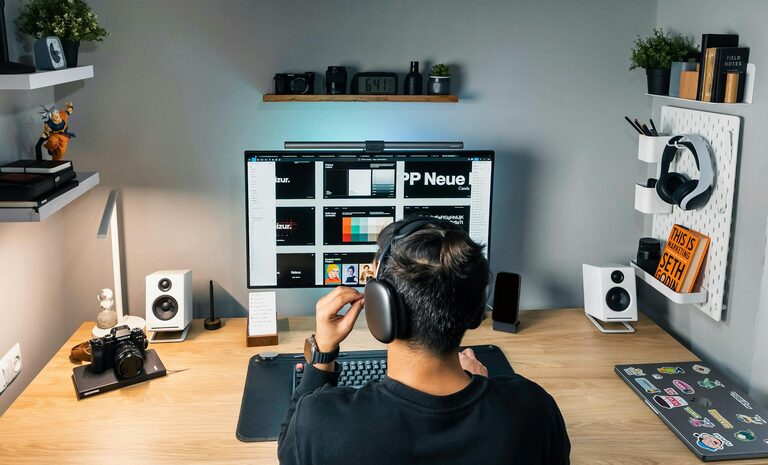
Creating a home office that strikes the perfect balance between comfort and productivity can transform the way you work from home. Whether you’re setting up a dedicated room or carving out a small corner for your work, a cozy and efficient workspace makes it easier to focus and feel motivated throughout the day. Here are practical tips to help you design a home office that feels inviting and helps you get things done.
1. Choose the Right Location
Finding the best spot in your home is key.
– Natural Light: Pick a place with plenty of natural light. It helps reduce eye strain and improves mood.
– Minimize Distractions: Choose an area away from busy household activity, like the kitchen or living room.
– Space for Essentials: Make sure there’s enough room for your desk, chair, and storage.
If space is limited, even a well-organized corner near a window can work well.
2. Invest in Comfortable Furniture
Your furniture should support long hours without causing discomfort.
– Ergonomic Chair: A chair with good lumbar support and adjustable height can prevent back pain.
– Desk Height: Choose a desk that fits your height or can be adjusted, helping keep your posture healthy.
– Flexible Options: Consider a sit-stand desk to alternate between sitting and standing to improve circulation.
Investing in quality pieces might seem costly but pays off in better comfort and productivity.
3. Optimize Lighting
Lighting affects how well you see your work and your overall energy level.
– Use Multiple Light Sources: Combine natural light with task lighting like desk lamps.
– Avoid Glare: Position your monitor perpendicular to windows to reduce screen glare.
– Warm Light: Use bulbs with warm tones to create a cozy atmosphere, rather than harsh fluorescent lighting.
Good lighting can reduce fatigue and make your workspace more inviting.
4. Personalize Your Space
Adding personal touches can make your office feel welcoming and motivate you.
– Decorate with Plants: Small indoor plants improve air quality and add a touch of nature.
– Inspiring Artwork: Hang prints or photos that inspire creativity or calmness.
– Organize with Style: Use colorful storage boxes, stylish pen holders, or unique bulletin boards.
Keep décor simple to avoid clutter, which can distract you from work.
5. Keep Your Desk Organized
A tidy workspace supports a clear mind.
– Declutter Regularly: Remove unnecessary items daily or weekly.
– Use Storage Solutions: Drawers, shelves, and desk organizers keep supplies neat and accessible.
– Cable Management: Use clips or ties to keep wires orderly and prevent tangling.
An organized desk saves time spent searching for things and helps maintain focus.
6. Control Noise Levels
Noise can disrupt concentration and cause stress.
– Quiet Location: Choose a space that’s naturally quiet.
– Noise-Canceling Headphones: Consider these if you can’t control background noise.
– Soft Materials: Add rugs, curtains, or cushions to absorb sound.
Some people also find background music or white noise helpful for maintaining focus.
7. Set Boundaries
Defining your work hours and physical space helps balance work and home life.
– Clear Schedule: Set specific work hours and communicate them to others in your home.
– Physical Separation: Use room dividers or close doors when working to create a boundary.
– Dedicated Workstation: Avoid working from beds or couches to keep work and relaxation separate.
This helps you maintain productivity and prevents burnout.
8. Incorporate Technology Wisely
Tech tools should simplify your work, not complicate it.
– Reliable Equipment: Invest in a good computer, fast internet, and necessary peripherals.
– Wireless Options: Use wireless keyboards and mice for less clutter.
– Cable Organizers: Keep cords tidy for a safer, cleaner workspace.
Regularly updating software and hardware keeps your office efficient and frustration-free.
9. Consider Air Quality and Temperature
Comfort includes the environment around you.
– Ventilation: Open windows when possible or use air purifiers to maintain fresh air.
– Temperature Control: Use fans, heaters, or air conditioning to keep your workspace comfortable.
– Humidity: Maintain moderate humidity with a humidifier or dehumidifier as needed.
A comfortable climate supports focus and well-being.
10. Take Breaks and Move
Even the best setup can’t replace the need to move.
– Regular Breaks: Follow the 20-20-20 rule—every 20 minutes, look at something 20 feet away for 20 seconds.
– Stretch: Take a few minutes to stretch and change posture every hour.
– Walk Around: Short walks boost circulation and refresh your mind.
Incorporating movement helps prevent physical strain and mental fatigue.
—
Creating a home office tailored to your needs helps turn working from home into a positive and productive experience. By prioritizing comfort, organization, and personal touches, you can enjoy a space that supports your daily goals and well-being. Start small with one or two changes, and watch how your productivity and comfort improve over time.