

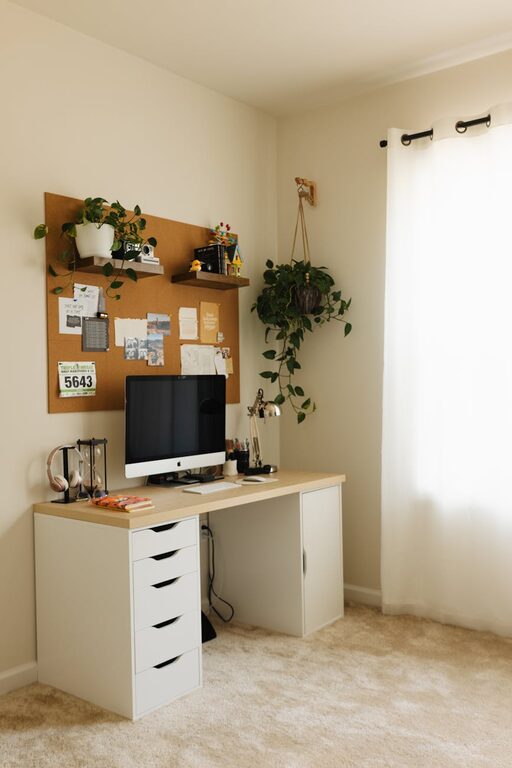
Creating a home office that combines comfort and productivity can make a significant difference in your work routine. Whether you work remotely full-time or occasionally, having a space that feels inviting yet functional helps maintain focus and motivation. In this post, we’ll explore practical tips to design a cozy and productive home office tailored to your needs.
Why a Comfortable Home Office Matters
A well-designed workspace reduces distractions and physical discomfort, which can boost your efficiency and creativity. When your office feels cozy, you’re more likely to spend time there willingly, improving work-life balance and overall satisfaction.
—
Choosing the Right Location
Find a Quiet Spot
Select a location away from high-traffic areas to minimize noise and interruptions. If space is limited, consider using noise-canceling headphones or strategic room dividers.
Maximize Natural Light
Position your desk near a window when possible. Natural light enhances mood and reduces eye strain. If natural light is scarce, invest in quality lighting with adjustable brightness to mimic daylight.
—
Setting Up Your Workspace
Invest in an Ergonomic Chair and Desk
Comfort is key to prevent back pain and fatigue. Choose a chair that supports your lower back and allows your feet to rest flat on the floor. Your desk height should enable your elbows to be at a 90-degree angle when typing.
Organize Your Desk
Keep essential items within reach to avoid distractions. Use desk organizers, trays, or drawers to maintain a clutter-free environment.
—
Adding Cozy Elements
Incorporate Soft Textiles
Add a cozy rug, cushions, or a throw blanket to soften the space. These elements make your office inviting and comfortable without compromising professionalism.
Use Warm Colors and Decor
Choose soothing paint colors like soft blues, greens, or neutrals. Personal touches like artwork, plants, or photos can enhance the warmth and personality of your space.
—
Maximizing Productivity
Establish a Routine
Set a daily schedule to start and end your workday. Having clear boundaries helps keep your work and personal life balanced.
Minimize Distractions
Keep phones on silent mode and use website blockers if needed. Inform household members of your working hours to reduce interruptions.
Take Breaks
Incorporate short breaks to stretch or take a walk. Regular pauses can improve focus and prevent burnout.
—
Organizing Cable and Tech Setup
Manage Cables
Use cable clips or sleeves to keep cords organized and out of the way. A tidy workspace reduces visual clutter and hazards.
Technology Essentials
Ensure your computer, printer, and other devices are updated and working properly. Consider additional accessories like a secondary monitor or wireless keyboard to improve comfort and efficiency.
—
Storage Solutions
Use Vertical Space
Shelves and wall-mounted organizers save floor space and keep items accessible.
Drawer Dividers and Bins
These tools help categorize office supplies, documents, and gadgets, maintaining a neat workspace.
—
Personalizing Your Space Thoughtfully
While personalization can increase comfort, aim to balance it with functionality. Avoid excessive decorations that might distract you during work hours.
—
Final Thoughts
Designing a cozy and productive home office requires attention to comfort, organization, and aesthetics. Remember that your workspace should evolve with your needs, so don’t hesitate to adjust elements over time. By combining these tips, you create an environment that supports both your well-being and your work goals.