

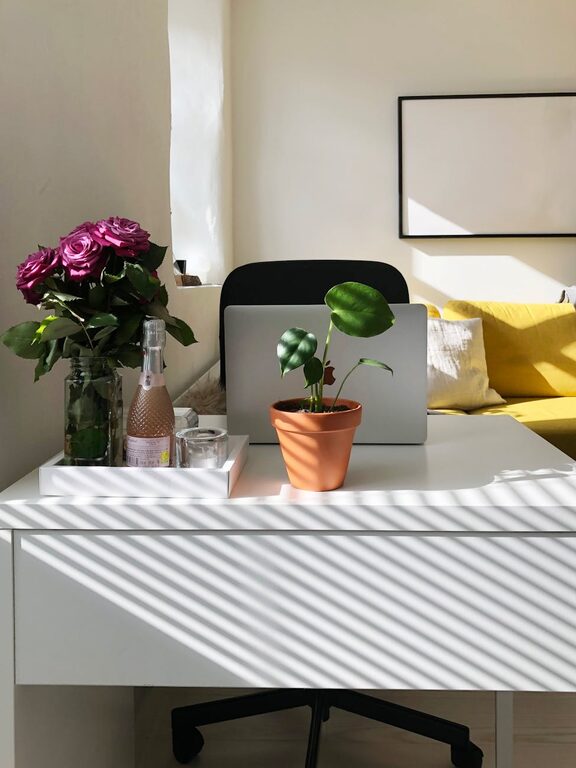
Creating a home office that feels both cozy and productive can make a big difference in your work-from-home experience. Whether you’re setting up a dedicated room or carving out a corner in your living space, a thoughtfully designed workspace can boost focus, reduce stress, and encourage creativity. Here are some practical tips to help you build a home office that supports your best work while feeling inviting and comfortable.
1. Choose the Right Location
Finding the right spot in your home is the first step toward creating an effective home office. Consider these factors:
– Natural Light: Position your desk near a window if possible. Sunlight can enhance mood, reduce eye strain, and help regulate your sleep cycle.
– Quiet Environment: Select an area that’s away from the main traffic zones of your home to minimize distractions.
– Space Availability: Make sure you have enough room for your desk, chair, and any equipment or storage you need.
If a dedicated room isn’t an option, select a corner where you can create some separation from daily household activities.
2. Invest in a Comfortable Chair and Desk
Comfort is key when you’re spending hours at your desk. Look for:
– Ergonomic Chair: Choose one that supports good posture, with adjustable height, lumbar support, and comfortable padding.
– Appropriate Desk Height: Your desk should allow your arms to rest comfortably at about 90 degrees while typing.
– Sufficient Workspace: Ensure the desk is large enough to accommodate your computer, notepads, and other essentials without clutter.
Ergonomics not only reduce discomfort but can help prevent long-term issues like back pain.
3. Optimize Your Lighting
Good lighting improves focus and reduces eye fatigue. Besides natural light, consider:
– Task Lighting: Use a desk lamp with adjustable brightness to illuminate your workspace.
– Ambient Lighting: Soft overhead lights can create a warm atmosphere without harsh glare.
– Avoid Screen Glare: Position your computer screen perpendicular to windows or light sources to minimize reflections.
Balance is important—too dim or too harsh lighting can affect productivity and mood.
4. Personalize Your Space
Adding personal touches can make your workspace feel welcoming and inspiring:
– Decor: Hang art or photos that motivate you or bring joy.
– Plants: Indoor plants improve air quality and add a refreshing touch of nature.
– Colors: Choose calming or uplifting colors depending on what works best for your concentration.
While personalization is great, try to avoid overly cluttered or distracting decor.
5. Keep It Organized
An organized office helps keep your mind clear and work efficient:
– Storage Solutions: Use shelves, drawers, and organizers to keep items neatly stored.
– Cable Management: Use clips or sleeves to manage cords and avoid tangles.
– Daily Cleaning: Spend a few minutes each day tidying your desk to keep clutter at bay.
Organizing supplies and documents within easy reach saves time and stress.
6. Use Technology Wisely
The right technology can streamline your work:
– Reliable Internet: A strong, stable connection is essential for virtual meetings and online tasks.
– Efficient Equipment: Choose a computer, printer, and other tools that meet your needs without causing frustration.
– Noise Cancellation: Headphones or white noise machines can help block distracting sounds.
Make sure your devices are set up ergonomically to avoid unnecessary strain.
7. Establish Boundaries
Creating boundaries between work and home life helps maintain focus and balance:
– Set Work Hours: Stick to a regular schedule to separate work time and personal time.
– Define Your Space: Use a room divider, rugs, or furniture to visually separate your workspace.
– Communicate: Let family or housemates know your work hours to minimize interruptions.
Clearly defined boundaries encourage productivity during work hours and relaxation afterward.
8. Incorporate Comfort Elements
Small comforts can make long workdays easier:
– Cozy Textiles: A soft rug, cushions, or a throw blanket can add warmth and comfort.
– Temperature Control: Ensure the room can be heated or cooled to your liking.
– Hydration & Snacks: Keep water and healthy snacks nearby to stay energized.
Listening to your body’s needs helps maintain well-being and focus.
—
Final Thoughts
Designing a cozy and productive home office doesn’t require a complete overhaul or a large budget. By focusing on comfort, organization, and personal touches, you can create a workspace that makes working from home a pleasure. Start with one or two changes, and gradually tailor your space to fit your unique needs and preferences. A well-designed home office can turn the challenges of remote work into a positive and rewarding experience.