

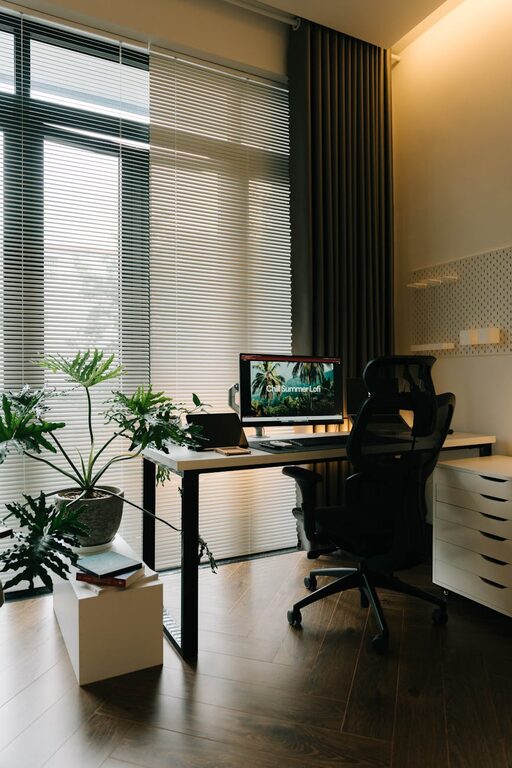
Creating a relaxing home workspace can make a significant difference in how productive and focused you feel during your workday. When your environment encourages calm and minimizes distractions, it sets the stage for clear thinking and efficient task completion. Whether you’re working remotely full-time or simply need a comfortable area for occasional work, these tips will help you design a workspace that promotes relaxation and productivity.
Why a Relaxing Workspace Matters
A calm workspace supports mental clarity and reduces stress. When your workspace feels welcoming, you’re more likely to enjoy your work and maintain motivation. Over time, working in a cluttered or uncomfortable environment can affect your mood and productivity, so investing time in an organized and soothing setup pays off.
Choose the Right Location
Find a Quiet Spot
Choose a space in your home that experiences minimal noise and foot traffic. This could be a spare bedroom, a corner of your living room, or even a section of your bedroom. The quieter the spot, the easier it will be to focus.
Consider Natural Light
Natural light boosts mood and energy levels. Position your desk near a window if possible to take advantage of daylight. If natural light is scarce, invest in quality lighting that mimics daylight and reduces eye strain.
Invest in Ergonomic Furniture
Comfortable Chair
A supportive chair encourages good posture and prevents back pain. Look for one with adjustable height, lumbar support, and comfortable cushioning.
Desk at the Right Height
Your desk should allow your arms to rest comfortably while typing or writing. If possible, adjust the height to reduce strain on your shoulders and wrists.
Consider Standing Options
A sit-stand desk or a converter lets you alternate between sitting and standing, which can improve circulation and reduce fatigue.
Keep Clutter to a Minimum
Use Storage Solutions
Shelves, drawers, and organizers can keep your workspace tidy. Storing supplies and papers out of sight but within reach helps maintain a clean environment.
Clear Your Desk Daily
At the end of each day, spend a few minutes tidying your desk. A clear surface can help you start fresh the next morning and reduce feelings of overwhelm.
Add Personal Touches Wisely
Incorporate Plants
Plants add a touch of nature and can reduce stress. Small indoor plants like succulents or peace lilies are easy to care for and brighten your space.
Use Calming Colors
Colors like soft blues, greens, and neutral tones help create a relaxing atmosphere. Consider wall art, desk accessories, or even paint to introduce soothing colors.
Display Inspirational Items
A framed photo, motivational quote, or a small piece of artwork can boost your mood. Just avoid overcrowding your workspace with too many items.
Minimize Distractions
Use Headphones or White Noise
If you can’t avoid background noise, headphones or a white noise machine can help maintain focus.
Manage Notifications
Turn off non-essential alerts on your computer and phone during work hours to stay immersed in your tasks.
Organize Your Technology
Cable Management
Tidy cables with clips or organizers to prevent a tangled mess. This helps keep your workspace visually relaxing.
Efficient Setup
Position your monitor at eye level and keep essential devices like your keyboard, mouse, and notepad within easy reach.
Incorporate Break Areas
If possible, create a small space nearby where you can take short breaks to stretch or relax. Stepping away from your desk occasionally helps refresh your mind and improves long-term productivity.
Maintain Healthy Habits
Stay Hydrated
Keep a water bottle on your desk as a reminder to drink water throughout the day.
Practice Good Posture
Be mindful of your posture while you work to avoid discomfort and fatigue.
Take Regular Breaks
Follow the 50-10 rule—work for 50 minutes, then take a 10-minute break to stand, stretch, or walk around.
Final Thoughts
Creating a relaxing home workspace is about more than just aesthetics—it’s about designing an environment that supports your well-being and helps you work efficiently. By choosing the right location, furniture, organization methods, and personal touches, you can transform your home office into a place where productivity and relaxation go hand in hand. Take the time to assess your current workspace and implement these tips for noticeable improvements to your workday experience.